
viaStackLimit
Specifies the maximum number of single-cut stacked vias that are allowed in one continuous stack. A via is considered to be in a stack with another via if the cut of one via overlaps any part of the cut of the other via. A double-cut or larger via interrupts the stack.
An optional parameter specifies whether stacked vias can be single-cut or must be multi-cut.
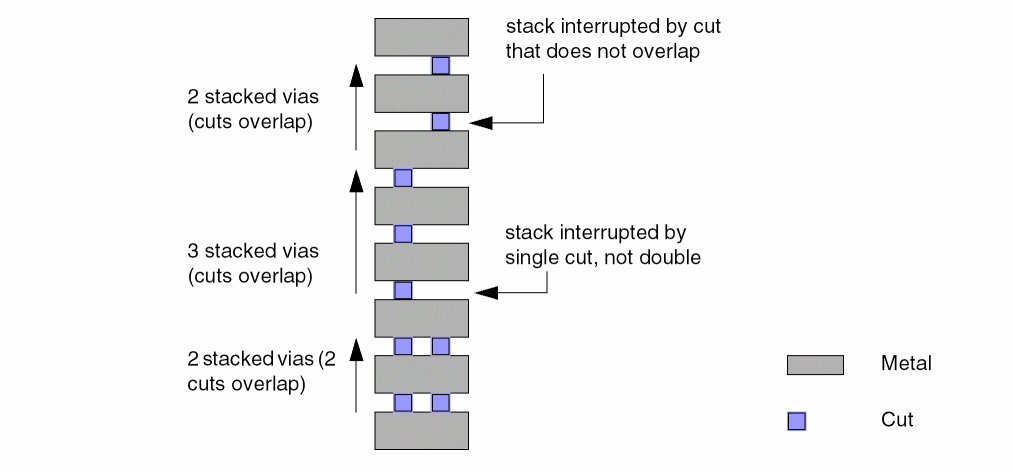
Two optional parameters may be used to specify a range of layers for which this constraint applies. If the range is not given, the constraint applies for all layers.
viaStackLimit Quick Reference
Value Types
The viaStackLimit constraint has an IntValue that specifies the maximum number of single-cut stacked vias that are allowed on top of each other in one continuous stack.
Parameters
The viaStackLimit constraint has the following arguments:
-
lowerLayer(LayerValue, optional) andupperLayer(LayerValue, optional) WhenupperLayerandlowerLayerare specified, the constraint applies only to stacking vias in the range between the two layers. If these are not given, the constraint applies to all layers. The layers must be metal layers. -
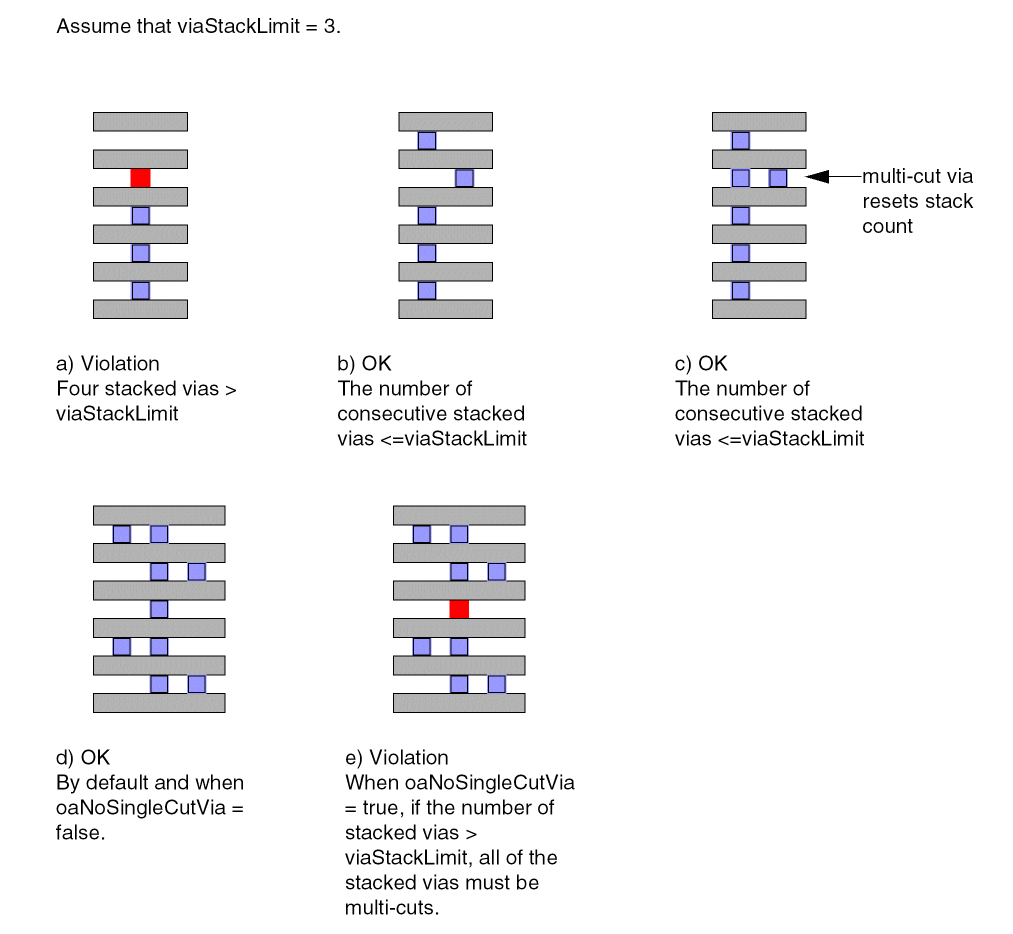
oaNoSingleCutVia(BoolValue, optional) chooses whether stacked vias can be single-cut (false, default) or must be multi-cut (true). If set totrue, via stacks taller than the constraint value must consist of all multiple-cut vias.
Example
This example sets the maximum stack to be 3. The following figure shows stacked via examples and shows results when this constraint is applied with varied settings for the oaNoSingleCutVia parameter.
| Format | Example |
|---|---|
set_constraint -constraint viaStackLimit -IntValue 3 |
|
MAXVIASTACK 3 ; |
|
viaStackingLimits ( |
Related Topics
Return to top