
Performing Dynamic Analysis
- Choose Setup – Analyses from the task pane.
-
Select Dynamic Analysis from the drop-down list, and click Add Dynamic Analysis.

-
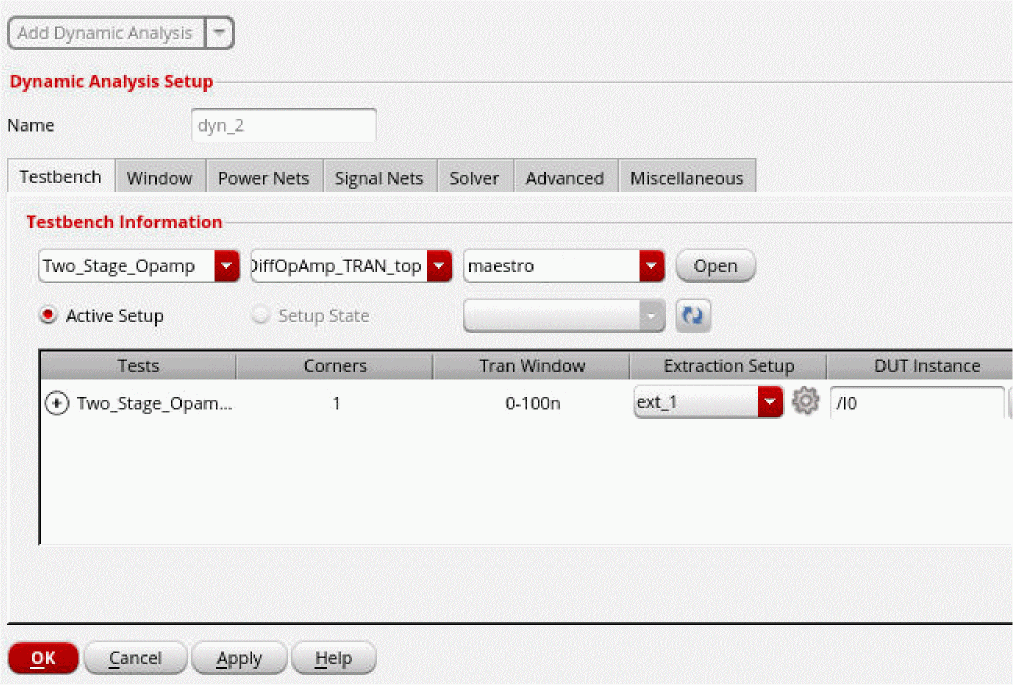
In the Name field, specify a name for the analysis setup.
-
On the Testbench tab, import the testbench setup information from Virtuoso® ADE Explorer or Virtuoso® ADE Assembler.
To import the simulation setup from ADE:- In the Testbench Information section, specify the maestro cellview from which to import a testbench setup.
- You can view the testbench setup in ADE by clicking Open next to the maestro cellview.
-
Click Active Setup or Setup State to select the testbench setup to use.
-
Click the + sign next to a test to view all the simulation corners defined for the test. You can map each simulation corner to a different extraction setup.
The DUT instance field will be automatically populated. If the DUT Instance name is not given, you can interactively select an instance from the schematic by clicking the browse button. -
You can click the Advanced Settings (
 ) icon in the Extraction Setup column to specify the following additional options for handling DSPF netlist.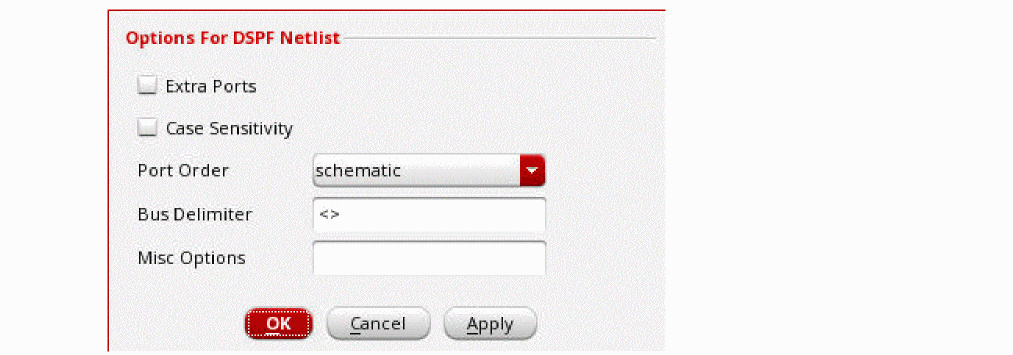
- Extra Ports - If the port number in DSPF does not match the port number in the schematic netlist instance call, this option can be used to automatically handle extra ports. When selected, the extra ports in the DSPF subcircuit call are changed to internal nodes. In addition, the extra ports in the schematic subcircuit definition are connected to the nodes with the same name in the DSPF netlist.
- Case Sensitivity - Select this option to make the DSPF file case-sensitive.
- Port Order - Specifies whether the port order is taken from the schematic subcircuit definition or from the DSPF subcircuit definition.
- Bus Delimiter - Defines the bus delimiter in the DSPF netlist.
- Misc Options - Specifies additional options for the DSPF netlist.
-
On the Window tab, specify the time period for EM-IR analysis, either the full transient analysis time or a subset of the transient analysis time.
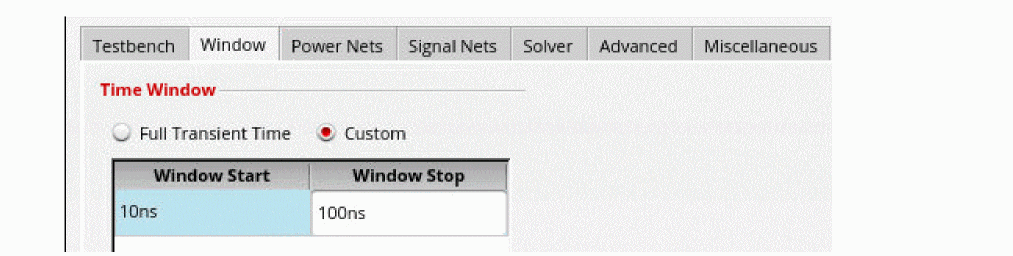
Click the Custom radio button to specify the subset of the transient analysis time, as shown below: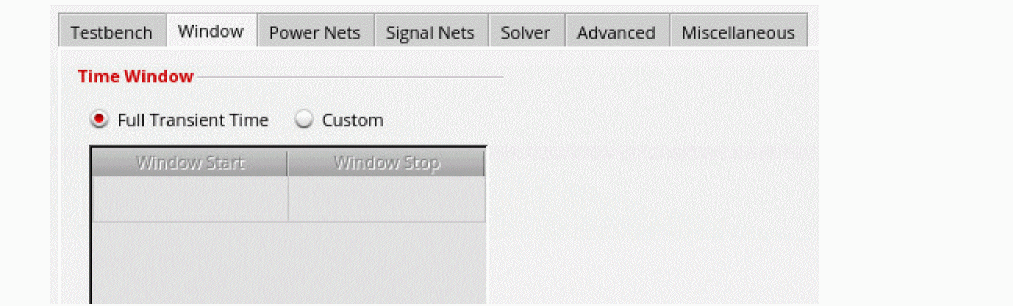
-
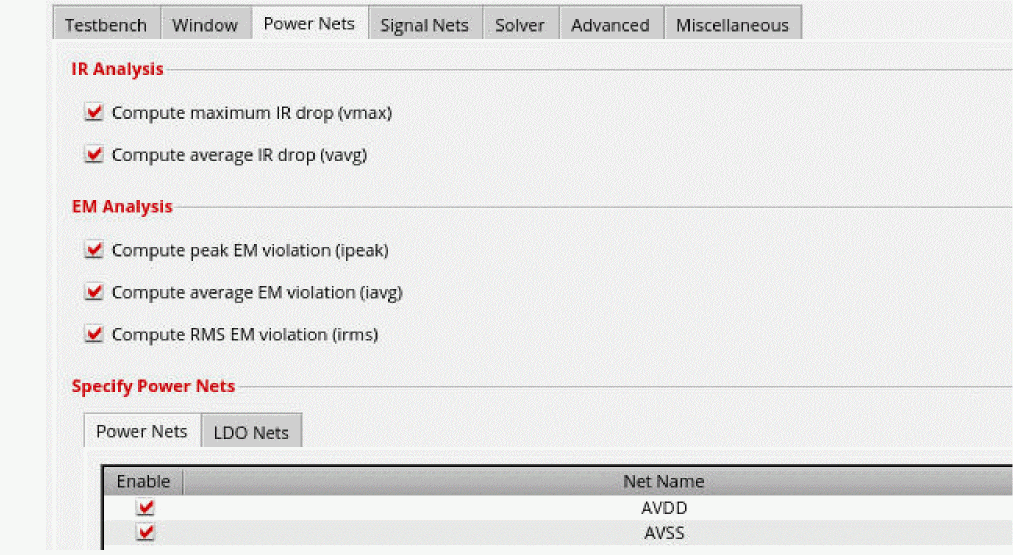
On the Power Nets and Signal Nets tabs, select the IR/EM analysis options and nets that you want to include in the analysis.
-
On the Solver tab, specify the solver method with which the EM-IR analysis will be run and select an EM-IR preset option.

-
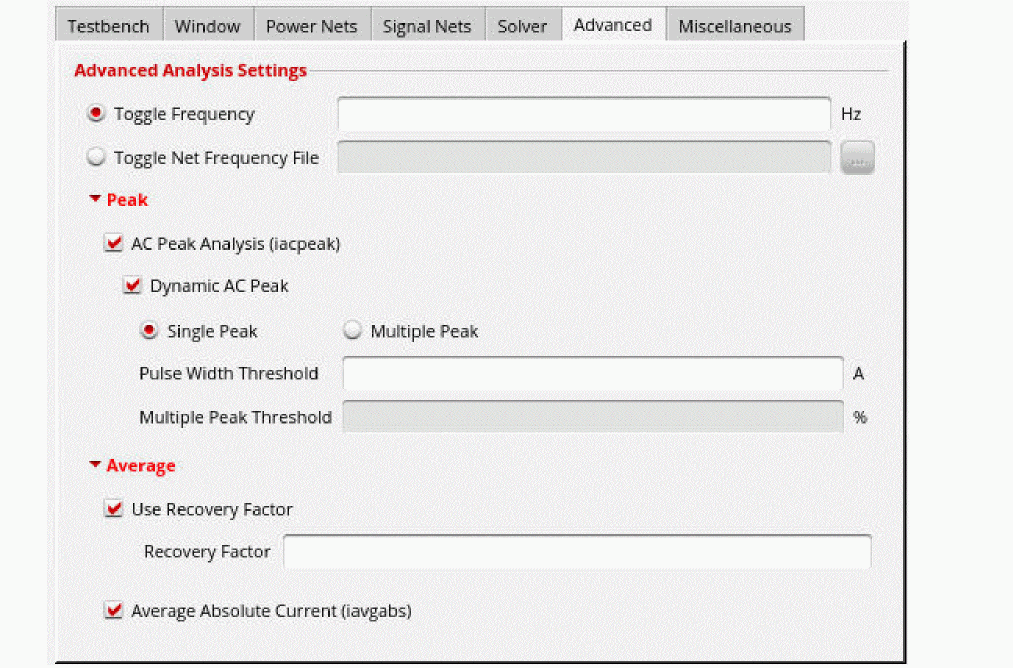
On the Advanced tab, specify the toggle net frequency and select the analysis types from the available options in the Peak and Average sections.
-
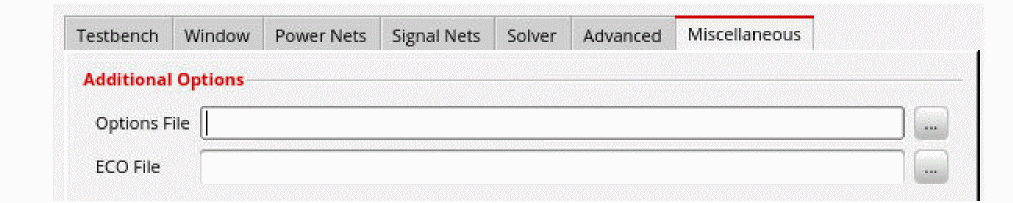
On the Miscellaneous tab, specify the additional options for the EM-IR run and the ECO file for what-if analysis.
The Options File field allows you to specify a file containing the following command to generate the average current file:
time window=[start_time stop_time] output=power filename=file_name.txt
The specified time window should not exceed the simulation stop time. The generated average current file (file_name.txt) will be created in the simulation directory, which can be used for static analysis. The ECO File option is supported only when the solver method is 2-Stage.
-
Click OK.
The analysis details will be displayed in the Analyses tab. You can click Add Dynamic Analysis again to add multiple analyses.
Related Topics
- Voltus-XFi EM-IR GUI – Setup Tab
- Viewing EM-IR Analysis Results
- Performing Static Power Grid Solver Analysis
- Performing Static Analysis
- EMIR
Return to top